
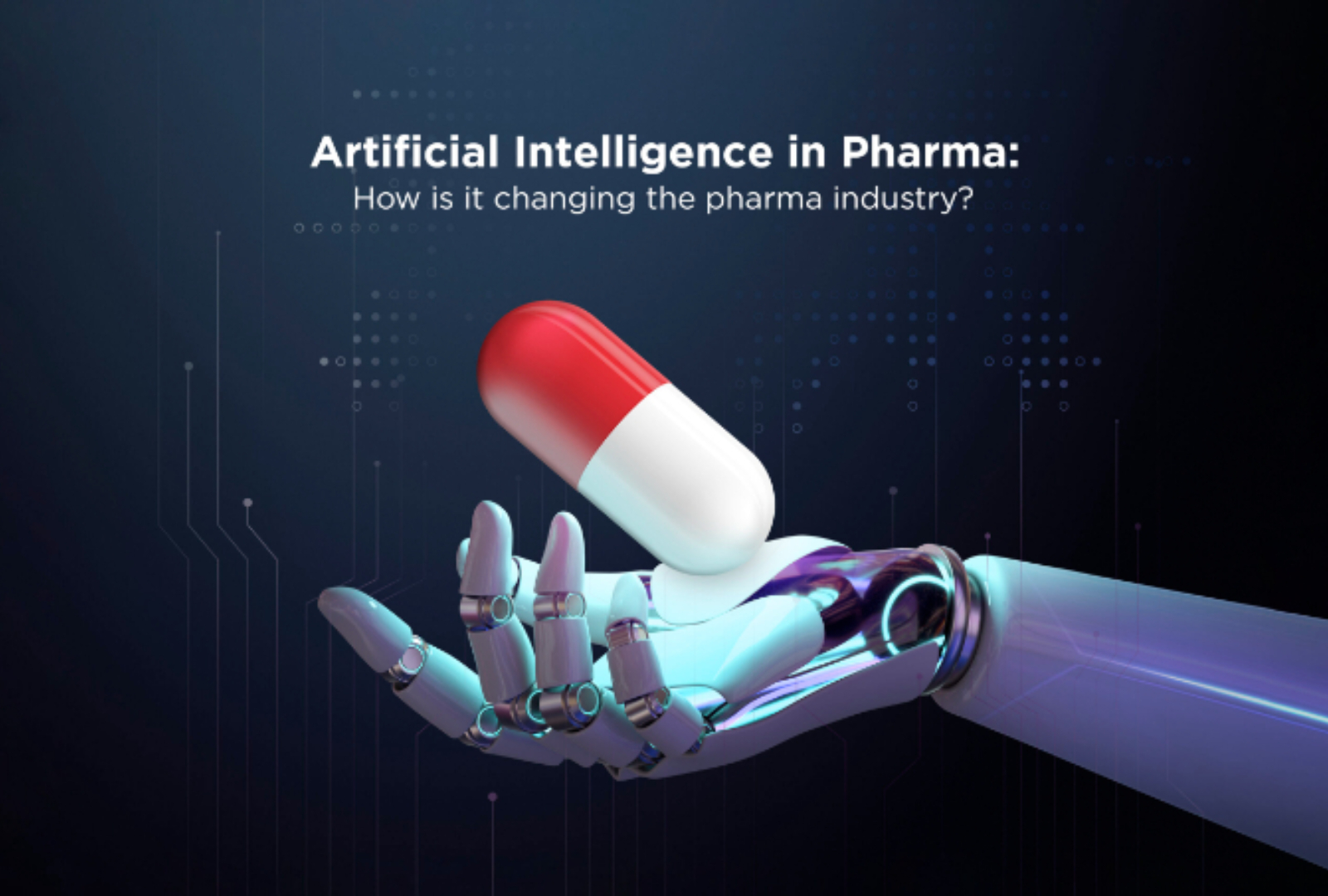

In the rapidly evolving landscape of the pharmaceutical industry, Artificial Intelligence (AI) is proving to be a revolutionary force, reshaping the way drugs are discovered, developed, and delivered. The intersection of AI and healthcare, often referred to as Pharmatech, is unlocking unprecedented potential for innovation, efficiency, and improved patient outcomes.
1. Drug Discovery Acceleration: AI algorithms are expediting the drug discovery process, traditionally a time-consuming and costly endeavor. Machine learning models analyze vast datasets, identifying potential drug candidates with greater speed and precision. This not only shortens development timelines but also enhances the likelihood of discovering novel treatments for various medical conditions.
2. Predictive Analytics for Clinical Trials: AI is optimizing the planning and execution of clinical trials. Predictive analytics models assess historical trial data to anticipate patient recruitment challenges, identify optimal trial locations, and predict potential risks. This ensures more streamlined and cost-effective clinical trial processes, ultimately accelerating the availability of new therapies.
3. Personalized Medicine and Targeted Therapies: AI is driving the shift towards personalized medicine. By analyzing individual patient data, including genetic information and treatment responses, AI can tailor treatment plans to specific patient profiles. This precision medicine approach minimizes side effects, increases treatment efficacy, and improves overall patient outcomes.
4. Drug Repurposing: AI-powered algorithms are redefining drug repurposing by identifying existing drugs with untapped therapeutic potential. By analyzing comprehensive datasets, AI can uncover new uses for approved medications, expediting the availability of alternative treatments and reducing the time and costs associated with developing new drugs from scratch.
5. Improved Diagnostics and Disease Management: AI is enhancing diagnostic accuracy and disease management. Machine learning algorithms analyze medical images, genetic markers, and patient records to provide more accurate and timely diagnoses. This not only aids in early disease detection but also enables healthcare providers to tailor treatment plans based on individual patient characteristics.
6. Supply Chain Optimization: AI is optimizing pharmaceutical supply chains, improving efficiency, reducing waste, and ensuring the timely delivery of medications. Predictive analytics models help anticipate demand fluctuations, prevent shortages, and enhance overall supply chain resilience.
7. Regulatory Compliance and Drug Safety: AI is playing a crucial role in ensuring regulatory compliance and drug safety. Automated systems analyze vast datasets to detect potential adverse effects, assess safety profiles, and ensure compliance with regulatory standards. This proactive approach enhances patient safety and accelerates the approval process.
As AI continues to evolve, the pharmaceutical industry is poised for a transformative journey towards innovation and improved patient care. The integration of AI technologies not only expedites traditional processes but also opens new frontiers in drug discovery and healthcare delivery, fostering a future where advancements in Pharmatech contribute to the well-being of individuals and communities worldwide.